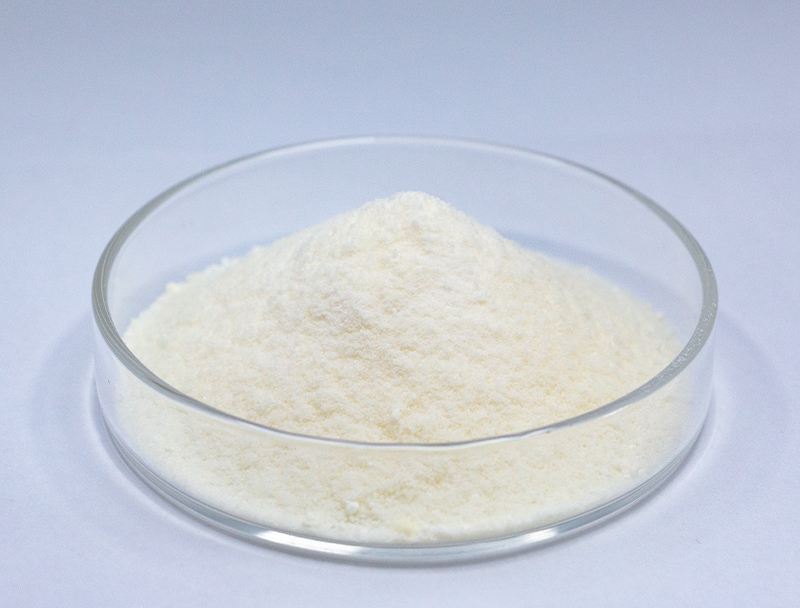
Biotech manufacturing draws predominantly from a wide assortment of feedstocks to manufacture advanced biological products.
Preserving ethical acquisition of feedstocks is indispensable to sustainable success and conscientious scaling.
diverse obstacles inherent in legacy sourcing approaches such as ecological damage and resource depletion. Thus, organizations must explore circular sourcing options to lessen environmental harm.
- Samples of circular procurement methods cover:
- Using repurposed agricultural residues as substrates
- Installing reclamation workflows to diminish waste and heighten recovery
- Working with community-based suppliers that follow ethical standards
Transitioning to green supply models secures ecological benefits and economic upside.
Enhancing Biomass Composition for Superior Biofuel Results
Enhancing biofuel output is grounded in superior feedstock characteristics. Scientists are constantly exploring novel strategies to optimize these feedstocks, resulting in superior production volumes and sustainable energy gains. Tactics include molecular breeding to increase biomass and chemical or physical pretreatments to release sugars.
- Concurrently, efforts examine seaweed, industrial byproducts, and crop residues to increase the variety of renewable feedstock alternatives for fuel production.
- With persistent development the field will likely demonstrate notable gains that foster a more sustainable energy system.
Next-Generation Upstream Methods in Biopharmaceuticals
comprises front-end procedures like culture expansion and cell retrieval Modern progress within the sector has contributed to more efficient processes and higher production.
Notable improvements feature new expression systems, refined media recipes, and automated reactor platforms. Such breakthroughs boost efficiency and simultaneously reduce manufacturing costs and carbon burdens.
- Also, evolving practices favor continuous flow processing which supports more agile upstream control.
- Implementing cutting-edge manufacturing technologies will probably redefine workflows and accelerate innovation.
Next-Gen Gene Editing for Enhanced Protein Expression
evolutions in genetic modification techniques have optimized therapeutic biosynthesis. Using precise gene interventions, engineers raise the output of key therapeutic proteins. This approach holds immense potential for developing more efficient and affordable biopharmaceuticals to address a wide range of diseases.
Microbial Approaches to Effective Bioremediation
cutting-edge microbial approaches that remediate contamination sustainably. Microorganisms possess the remarkable ability to degrade and transform harmful pollutants into less toxic substances.. Using microbial biotechnology enables remediation strategies that balance effectiveness with ecological protection. Study groups probe microbial metabolic diversity to tackle metals, persistent pesticides, and hydrocarbon spills.. The microbes may be applied within engineered reactors or in situ to catalyze pollutant degradation via biotransformation..
Microbial-based approaches to remediation bring considerable advantages over traditional solutions. The approach tends to lower treatment costs and avoids producing toxic residuals. Concurrently, these solutions provide focused remediation without widespread environmental harm. The domain advances quickly, concentrating on raising reliability and performance of microbial cleanup methods.
Informatics-Driven Strategies for Drug Design
Bioinformatics techniques are integral to present-day therapeutic development workflows. From predictive screening to lead refinement, computational biology underpins more efficient drug pipelines.
- Via examination of genomic, proteomic, and clinical datasets, researchers pinpoint targets and project drug activity.
- Additionally, simulation tools enable prediction of binding and activity, guiding creation of more potent drugs.
- In summary, bioinformatics overhauls pharmaceutical R&D and quickens the path to safe therapeutics for patients.
Synthetic Biology Routes for Elevated Bioproduct Synthesis
adopts varied approaches to raise biosynthetic yields of beneficial compounds. Approaches may include genome edits to rewire pathways, transcriptional control to tune expression, and heterologous gene insertion to add functions.. Through careful adjustment of metabolic routes engineers can markedly elevate product titers.
This comprehensive strategy could transform numerous sectors such as pharmaceuticals, farming, and renewable energy.

Challenges and Opportunities in Scaling Up Biopharmaceutical Production
Commercializing biopharma production involves significant constraints and promising benefits. Maintaining consistent product attributes with scale-up remains a central difficulty. Tackling it demands tightly integrated control systems, precise surveillance, and state-of-the-art analytics.
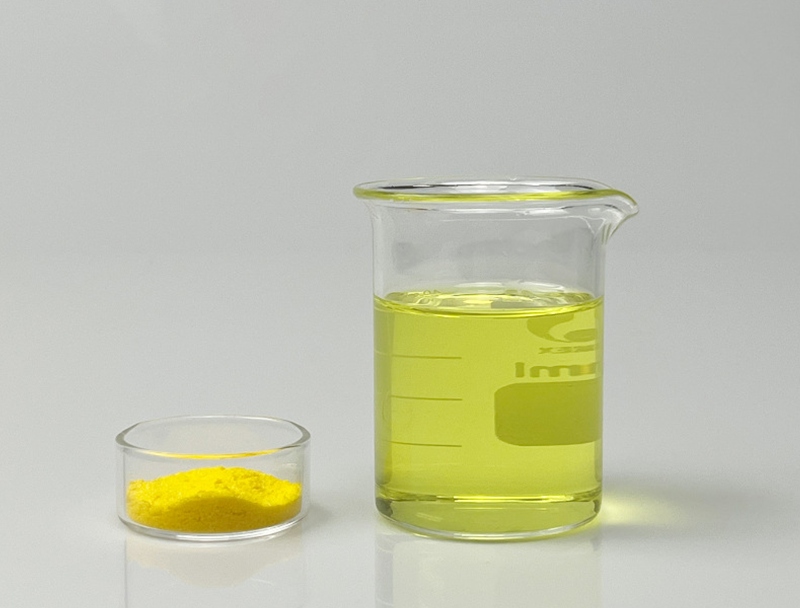
Another concern is that bioprocessing workflows are inherently complex and multi-staged.. Optimizing these processes for large-scale production can be a complex undertaking, requiring extensive research and technological innovation.. However, the potential rewards are substantial. Proper scaling can increase therapy supply, reduce expenses, and elevate profitability.
A series of measures are underway to confront these obstacles. Plans feature next-gen optimization hardware, sophisticated real-time analytics, and forward-looking production strategies.
- Developmental projects contribute critically to scaling manufacturing competency.
- Government agencies are streamlining review procedures to permit quicker uptake of new production technologies and foster innovation.
Aligning Biomanufacturing with Regulatory Standards for Patient Safety
Advancing biopharmaceuticals involves heavy regulatory scrutiny to secure product safety and proven efficacy. Biopharmaceuticals, often derived from biological sources, present unique challenges compared to traditional medications.
Institutions such as the U.S. FDA and European EMA lead in formulating regulations and benchmarks for biologic approvals..
Extensive evaluation procedures are essential across development phases, spanning preclinical work to post-market checks.. Such safeguards are intended NMN to detect hazards and ensure therapeutics adhere to top-tier safety benchmarks..
Concurrently, regulatory organizations fine-tune methods to remain compatible with quick scientific advancements. Efforts comprise integrating cutting-edge tools and easing development pathways while upholding patient safety.

Plant-Derived Inputs for Next-Gen Bioplastics
The trend toward sustainability stimulates development of renewable material technologies. Bioplastics derived from plant biomass provide a viable route to more sustainable plastic alternatives. Plant-based biomass resources such as cornstarch, cellulose, sugarcane can be processed into biodegradable plastics that degrade naturally, minimizing the environmental impact of conventional plastics.
Likewise, some plant-derived plastics perform similarly to petroleum-based materials for a variety of uses.. Persistent innovation will be key to advancing plant biomass into mainstream bioplastic manufacturing for a circular future.
Biotech Innovations Addressing Health and Food Challenges
Biotech innovations hold promise to dramatically impact health and the reliability of food systems. Using genome engineering, synthetic biology techniques, and cell-based treatments, innovators devise ways to tackle pathogens, amplify yields, and improve nutrition.. As an example, crop genetic improvements for pest and stress resistance help boost production and cut dependence on chemical pesticides.. Concurrently, biotechnology drives development of immunotherapies, antibiotics, and diagnostics that play a key role in controlling diseases and improving health metrics. As the field evolves, biotechnology is expected to play a pivotal role in shaping a healthier and environmentally sustainable future for all.